
Beechcroft St Paul'sC of E Primary School

At Beechcroft St Paul’s Primary School, we understand that every family’s circumstances are different, and we are here to support you. We know that regular attendance plays an important part in helping children feel happy, confident and ready to learn.
Being in school every day really does make a difference. There is a strong link between good attendance and children achieving their best, opening up more opportunities for the future. Just as importantly, coming to school regularly helps children build friendships, enjoy new experiences, and feel part of a safe and caring community.
We believe that by working together, we can give every child the best possible start. Missing even a small amount of school can make learning more challenging and sometimes make children feel less connected, but we are here to help if anything is getting in the way.
We encourage all pupils to aim for 100% attendance, with a minimum expectation of 96%, and we celebrate the efforts children make to attend regularly.
As a school, we provide a range of support and celebrate good attendance in different ways. We ask parents and carers to work with us by helping their child attend school each day, arrive on time, and come ready to learn—and to talk to us if support is needed.
We carefully monitor and track every child's attendance, working closely with Dorset Council to support children to attend regularly.
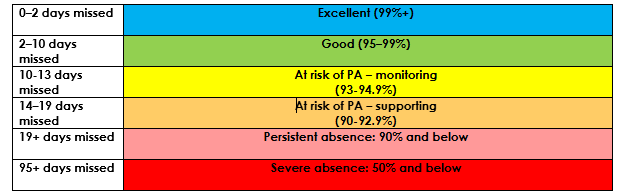
Attendance Procedures and Graduated Response
At Beechcroft St Paul’s, our approach to attendance is rooted in strong relationships, early support and high expectations. We align our practice with the Five Foundations of Effective Attendance, which emphasise culture, leadership, communication, monitoring and support. Alongside this relational approach, the school also has a duty to follow statutory attendance procedures to ensure pupils are safeguarded and receive their legal entitlement to education.
Good attendance is therefore promoted first and foremost through support, partnership and early intervention. However, where attendance does not improve, or where there are ongoing concerns, the school must follow agreed procedures in line with local authority guidance and national expectations.
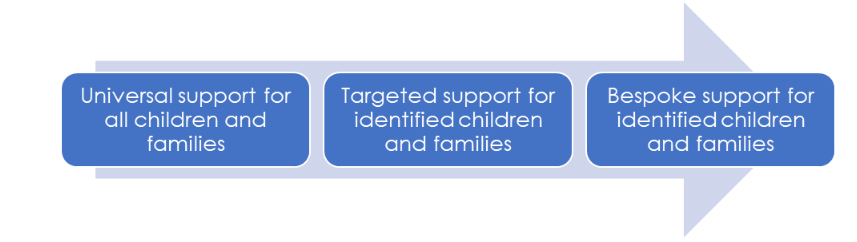
We use a graduated response to attendance which ensures that action is proportionate, timely and appropriate to the level of need. Movement between stages is informed by attendance data, professional judgement and discussion with families.
Our Commitment
Throughout all stages, the school remains committed to:
-
Working in partnership with parents and carers
-
Using procedures to support improvement, not to punish
By combining the Five Foundations of Effective Attendance with clear and consistent procedures, Beechcroft St Paul’s ensures that attendance is addressed fairly, effectively and in the best interests of every pupil.
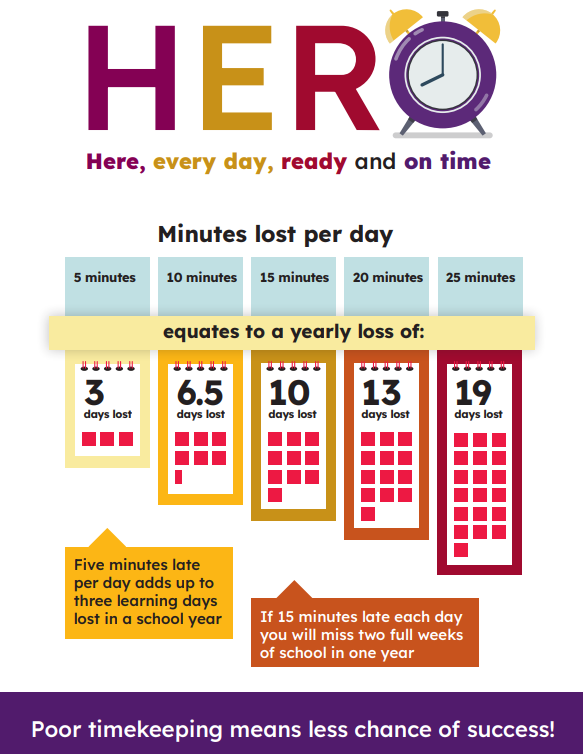
Punctuality -Here, Every Day, Ready and On Time!
Arriving on time each day helps children settle quickly, see their friends and get the best start to their learning.
Our gates open at 8:30am, with classroom doors open from 8:40am. Registers are taken promptly at 8:45am. We encourage all children to arrive on time so they can settle in calmly and start the day with their class. Free 'Bagel Club' runs from 8:20am in the school hall, which can be a really positive way for children to settle into the school day well.
If your child arrives after 8:45am, they will be recorded as late and will need to come into school via the main entrance. Please accompany your child to the school office, where a member of staff will ensure they are signed in safely.
If your child arrives after 9:15am, they will be marked as ‘late after registers close’, which is recorded as an unauthorised absence for that session.
We work closely with families to support good punctuality. If a child is regularly late, we may ask parents or carers to meet with us so that we can work together to help improve this.
Did you know…?
Being just 5 minutes late each day adds up to over 3 full school days of learning missed across a year.
Thank you for supporting your child to arrive on time each day, ready to learn and be part of our school community.
Universal Stage
At this stage, attendance is promoted through whole-school culture and clear expectations. Attendance is monitored daily and concerns are addressed at the earliest opportunity. Procedures such as first-day absence checks, punctuality monitoring, attendance letters and regular communication with parents support consistency and clarity.
Targeted Support Stage
When attendance patterns indicate emerging concern, the school moves to targeted support. This includes structured attendance meetings, personalised actions and closer monitoring. At this stage, procedures are used to formalise support, clarify expectations and ensure families understand the importance of attendance and the next steps if improvement is not seen.
Bespoke Support Stage
For pupils who are persistently or severely absent, attendance concerns become more complex and may require intensive intervention. At this stage, the school follows more formal procedures, including constructing attendance plans, referrals to external agencies and involvement of the local authority Inclusion Team. Attendance is always viewed through a safeguarding lens to ensure that the pupil’s welfare is safeguarded and that families receive coordinated support.
Where necessary and as a last resort, statutory parental responsibility measures may be considered, always alongside continued support and clear communication with families.