Beechcroft St Paul'sC of E Primary School
PSHE
Personal, Social, Health and Economic (PSHE) Education
At Beechcroft St Paul’s, we use the SCARF programme to deliver our PSHE curriculum. SCARF stands for Safety, Caring, Achievement, Resilience and Friendship and provides a comprehensive, values-based approach to supporting children’s wellbeing, behaviour and personal development.
PSHE helps children develop the knowledge, skills and attributes they need to manage their lives both now and in the future. It supports their spiritual, moral, social, cultural, mental and physical development and prepares them for the opportunities, responsibilities and experiences of life in modern Britain. Our PSHE curriculum supports our curriculum drivers by helping children broaden their horizons, understand their place in the world, and become responsible decision makers.
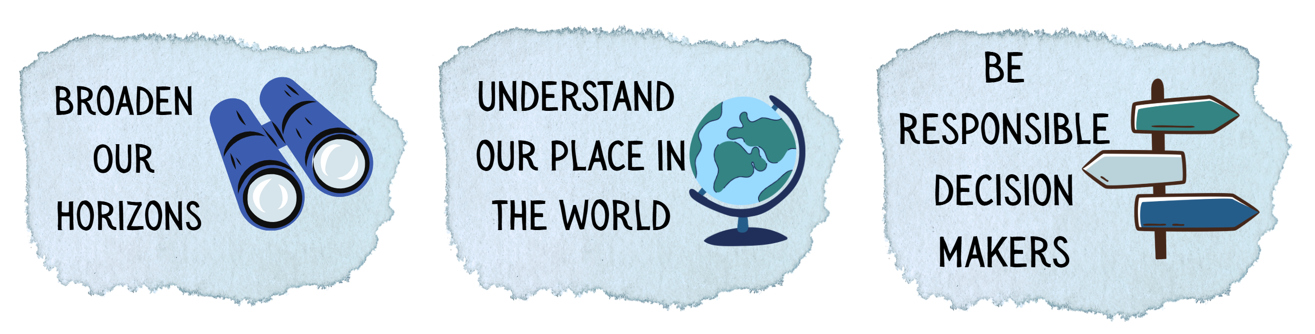
Broadening Our Horizons
Through the SCARF curriculum, children are encouraged to explore a wide range of ideas, perspectives and experiences. Units such as Valuing Difference help children understand and respect diversity, while Being My Best encourages them to develop confidence, resilience and ambition.
Children learn about relationships, wellbeing and the wider world around them. These lessons help them develop empathy, emotional awareness and the confidence to engage positively with others, preparing them to live and learn in a diverse society.
Understanding Our Place in the World
PSHE helps children understand how they fit within their communities and the wider world. Through topics such as Rights and Responsibilities, children explore fairness, respect and the importance of contributing positively to society.
By discussing different cultures, beliefs and social issues, children gain a broader understanding of the experiences of others. This learning helps them develop empathy and respect, while also strengthening their sense of identity and belonging within their community and beyond.
Becoming Responsible Decision Makers
A key aim of PSHE is to support children in making thoughtful and responsible choices. Through units such as Keeping Myself Safe, children learn how to assess risks, recognise unsafe situations and understand how their actions can affect themselves and others.
Children are encouraged to reflect on their values, consider different viewpoints and think carefully about the consequences of their decisions. By practising these skills in meaningful contexts, they develop confidence, independence and a strong sense of responsibility that will support them throughout their lives.
Aims of the Personal, Social, Health Education & Sex and Relationships Education
The national curriculum for PSHE aims to ensure that schools teach a broad and balanced curriculum that:
- promotes the spiritual, moral, social, cultural, mental and physical development of pupils at the school;
- prepares pupils at the school of the opportunities, responsibilities and experiences of later life;
- promotes British values.