Beechcroft St Paul'sC of E Primary School
Religious Education
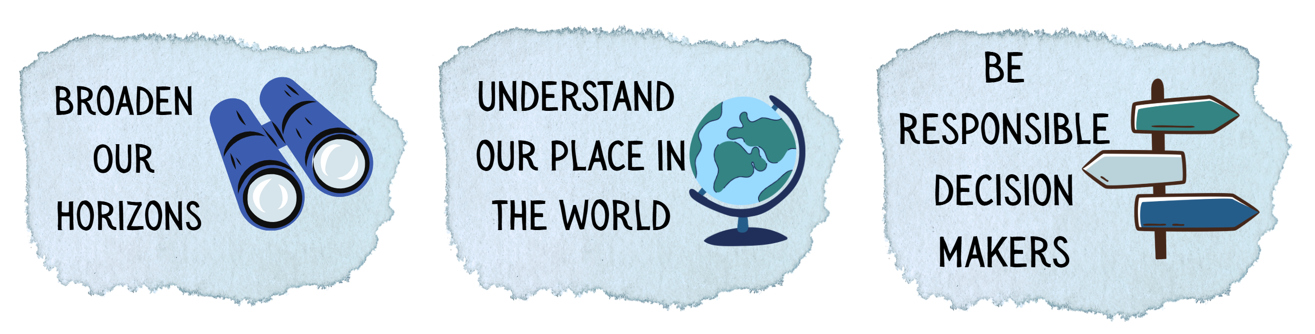
At Beechcroft St Paul’s, Religious Education encourages children to explore a wide range of beliefs, values and worldviews. Through stories, sacred texts and thoughtful discussion, children are supported to ask big questions about faith, identity and meaning. RE helps children develop respect, empathy and open-mindedness while building important skills such as critical thinking, discussion and reflection. Our RE curriculum supports our curriculum drivers by helping children broaden their horizons, understand their place in the world, and become responsible decision makers.
Broadening Our Horizons
Through RE, children learn about a variety of religions, beliefs and worldviews. By exploring how different people live out their faith and values, children gain a deeper understanding of cultures and traditions beyond their own experiences.
Stories, sacred texts and discussion help children reflect on important ideas such as belonging, identity and belief. This learning encourages curiosity and open-mindedness while helping children appreciate the diversity of the world around them.
Understanding Our Place in the World
RE supports children in thinking about who they are and how they connect with others in their school, local community and the wider world. By exploring how beliefs influence people’s lives and shape communities, children begin to understand the role that faith and values play in society.
Through questioning, discussion and reflection, children learn to express their own ideas while listening respectfully to the views of others. This helps them develop empathy, respect and a deeper understanding of the diverse world they are part of.
Becoming Responsible Decision Makers
RE also helps children think about how beliefs and values influence the choices people make. By exploring moral questions and different viewpoints, children are encouraged to reflect on fairness, responsibility and the consequences of actions.
Through respectful discussion and debate, children learn to consider different perspectives and form their own thoughtful opinions. This helps them develop a strong sense of moral awareness and supports them in making kind, informed and responsible decisions in their lives.