Beechcroft St Paul'sC of E Primary School
French
|
“Learning a foreign language is a liberation from insularity and provides an opening to other cultures. A high-quality languages education should foster pupils’ curiosity and deepen their understanding of the world.” (National Curriculum 2014) |
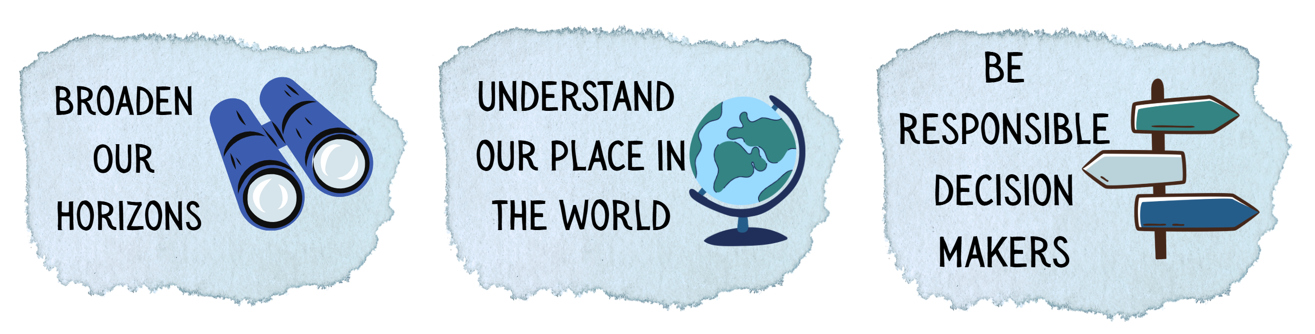
At Beechcroft St Paul’s, our French curriculum is taught through the Primary French Project, which provides a structured and engaging approach to language learning. Through learning French, children develop communication skills, cultural awareness and confidence in speaking another language. The curriculum introduces children to new vocabulary, pronunciation and grammar while encouraging curiosity about different cultures and ways of life. Our French curriculum supports our drivers by helping children broaden their horizons, understand their place in the world, and become responsible decision makers.
Broadening Our Horizons
Learning French gives children the opportunity to explore a new language and culture, helping them develop curiosity about the wider world. Through songs, stories, conversations and games, children build their confidence in speaking and understanding French.
The Primary French Project introduces children to everyday language and cultural traditions, helping them recognise similarities and differences between their own lives and those of people in French-speaking countries. These experiences help children develop a broader perspective and an appreciation for languages and cultures beyond their own.
Understanding Our Place in the World
Through learning a modern foreign language, children begin to understand that communication connects people across different countries and cultures. Learning French helps children recognise that they are part of a wider global community.
By exploring aspects of French culture, traditions and daily life, children develop respect for diversity and gain a deeper understanding of how people live around the world. This helps children reflect on their own identity and appreciate the importance of cultural understanding.
Becoming Responsible Decision Makers
Learning a new language encourages children to listen carefully, take risks and build confidence when communicating with others. Through speaking, listening and collaborative activities, children develop resilience and perseverance as they practise new vocabulary and sentence structures.
Children are encouraged to participate respectfully, support one another and take responsibility for their learning. These experiences help them grow in confidence and develop the communication skills needed to interact positively with others in an increasingly connected world.
Aims of the Language Curriculum
The national curriculum for languages aims to ensure that all pupils:
- understand and respond to spoken and written language from a variety of authentic sources
- speak with increasing confidence, fluency and spontaneity, finding ways of communicating what they want to say, including through discussion and asking questions, and continually improving the accuracy of their pronunciation and intonation
- can write at varying length, for different purposes and audiences, using the variety of grammatical structures that they have learnt
- discover and develop an appreciation of a range of writing in the language studied.