Beechcroft St Paul'sC of E Primary School
History
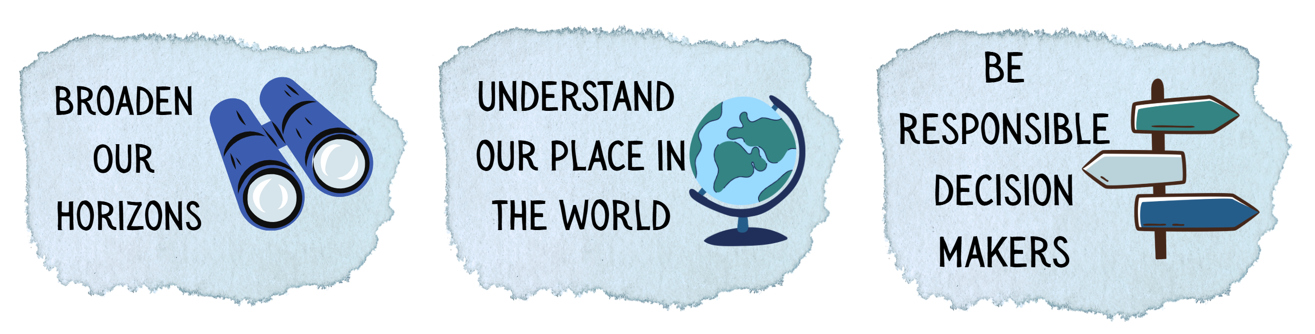
At Beechcroft St Paul’s, we value a high-quality history curriculum that helps children develop a deeper understanding of the world around them. Through learning about past societies, significant events and influential individuals, children begin to understand how the past has shaped the present. History at Beechcroft encourages children to ask thoughtful questions, think critically and develop their own judgements. Our history curriculum is driven by our curriculum drivers, helping children broaden their horizons, understand their place in the world, and become responsible decision makers.
Broadening Our Horizons
Through history, children explore a wide range of societies, cultures and time periods. By studying both local and global history, children learn about the stories, events and people that have shaped communities near and far.
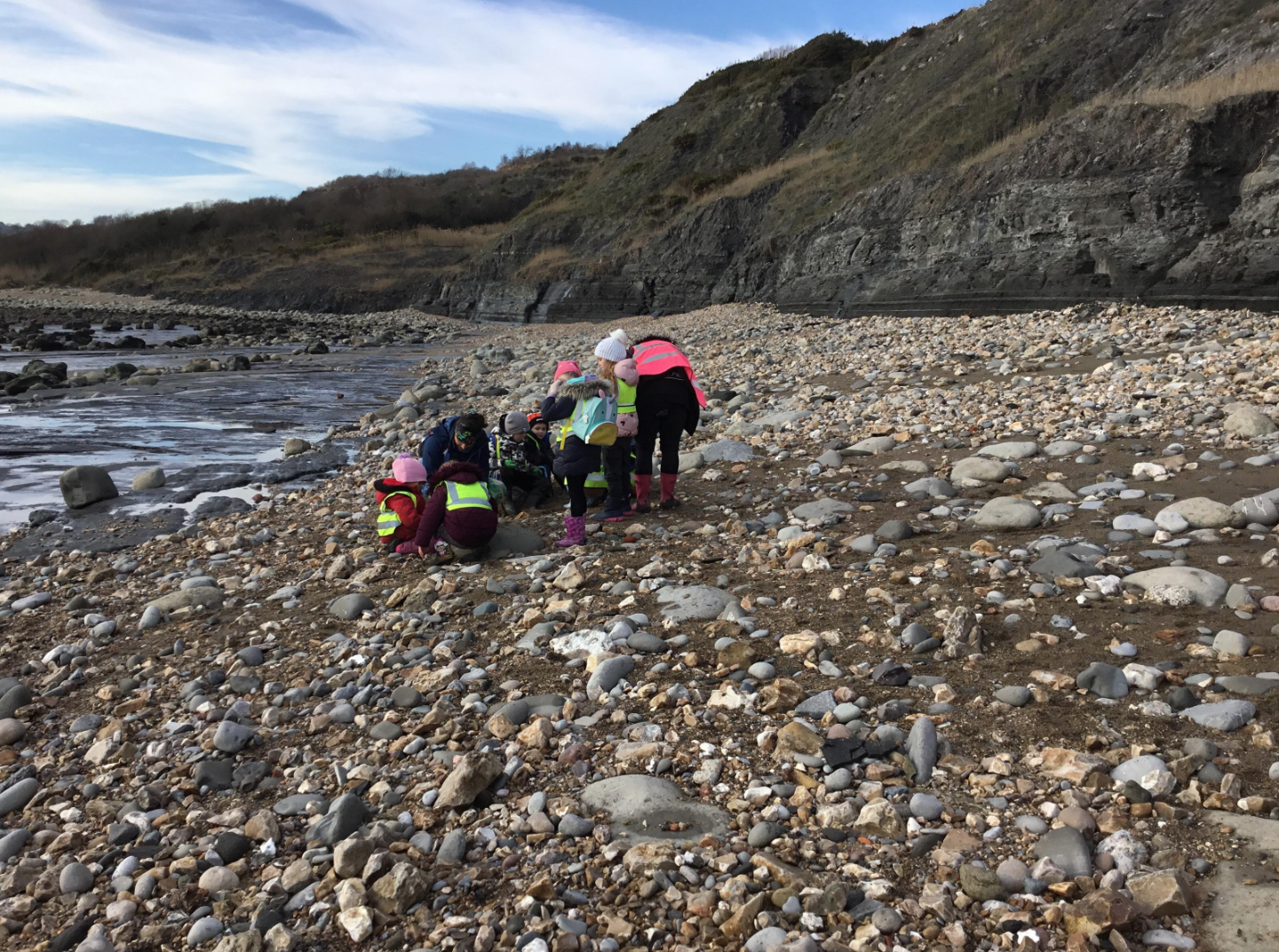
Learning about our local area helps children discover the unique heritage of the place they live, while global history allows them to understand how different societies and events are connected across time. This approach helps children develop curiosity, empathy and a broader understanding of the world beyond their immediate experiences.
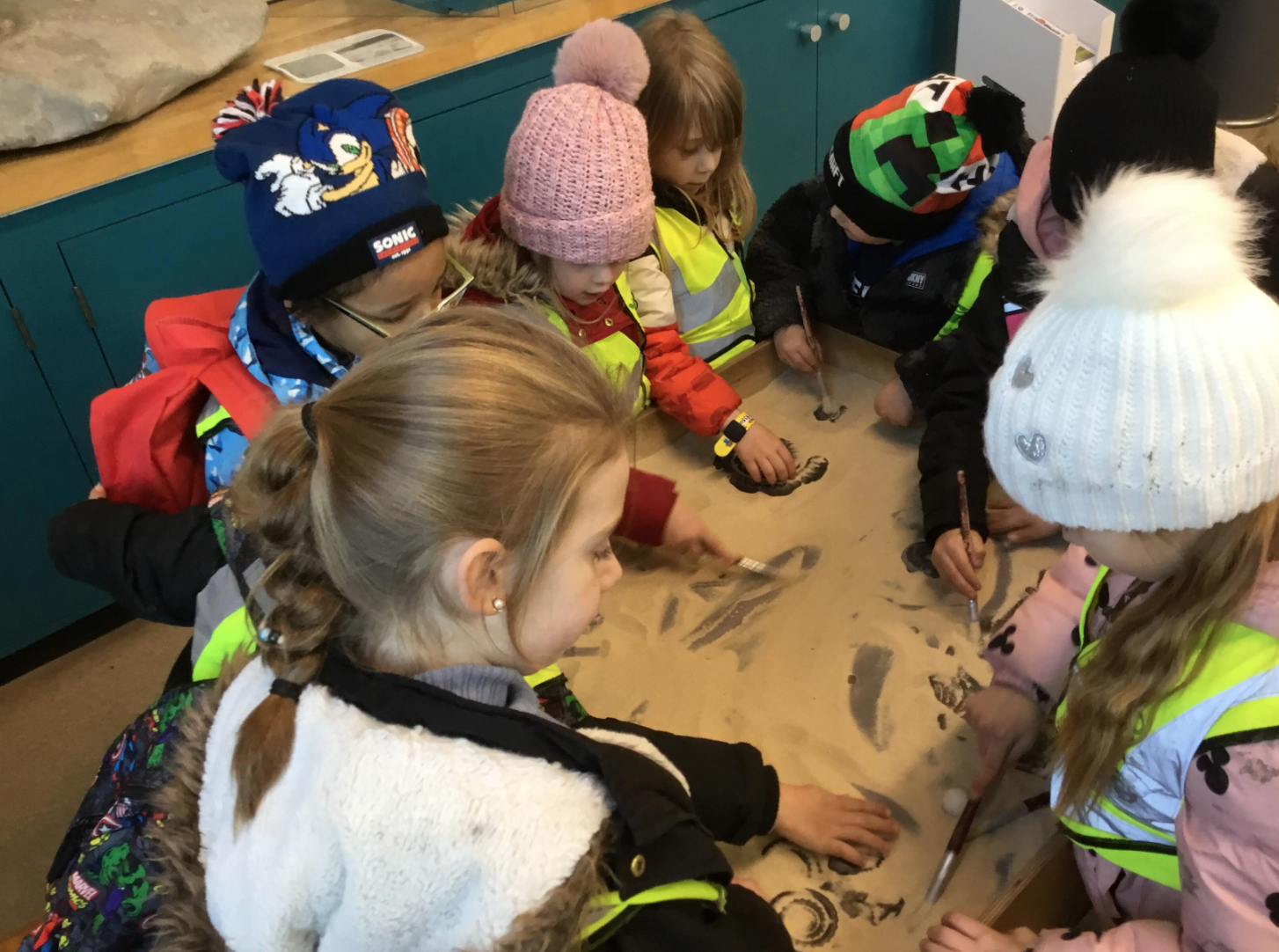
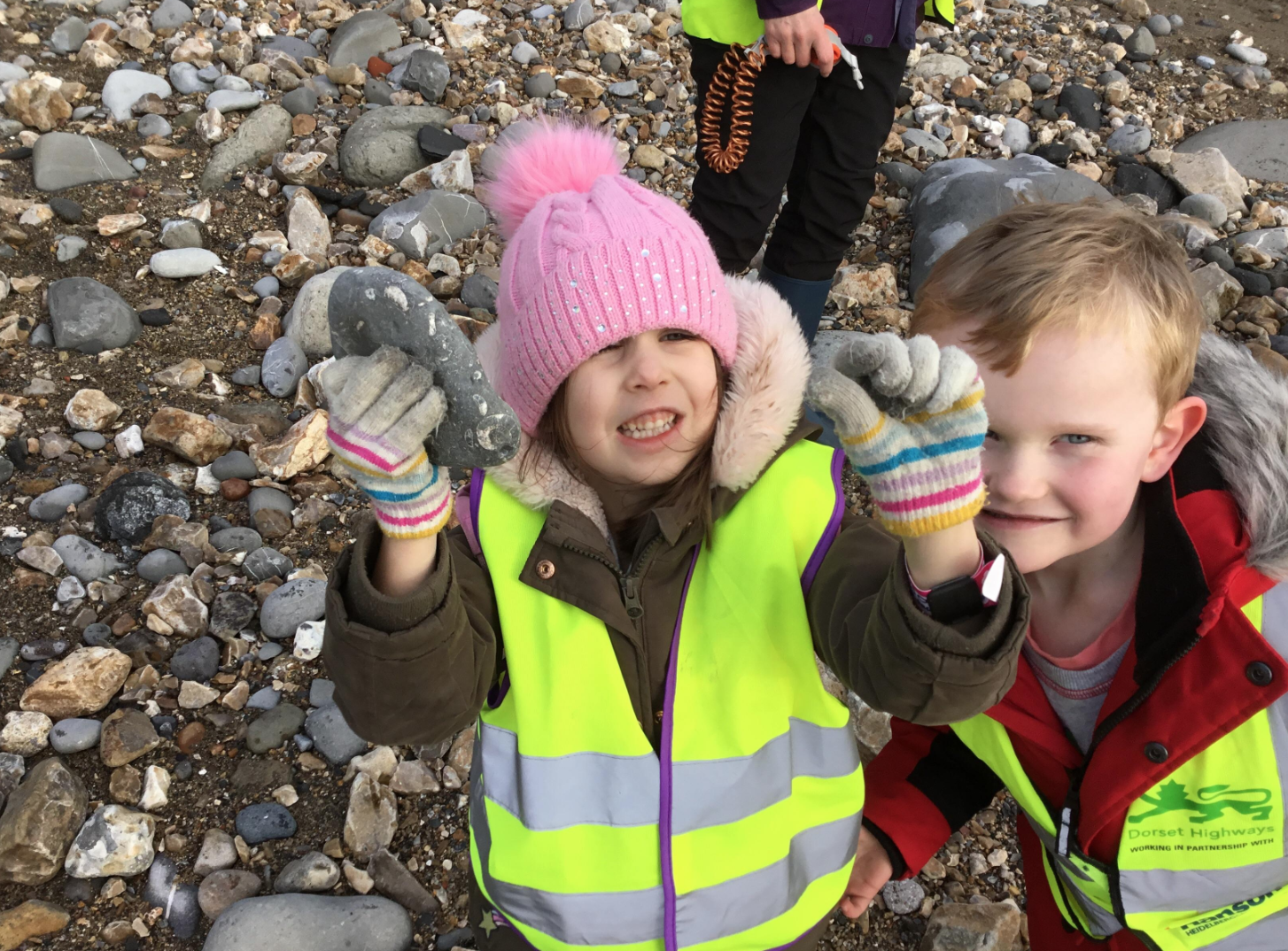
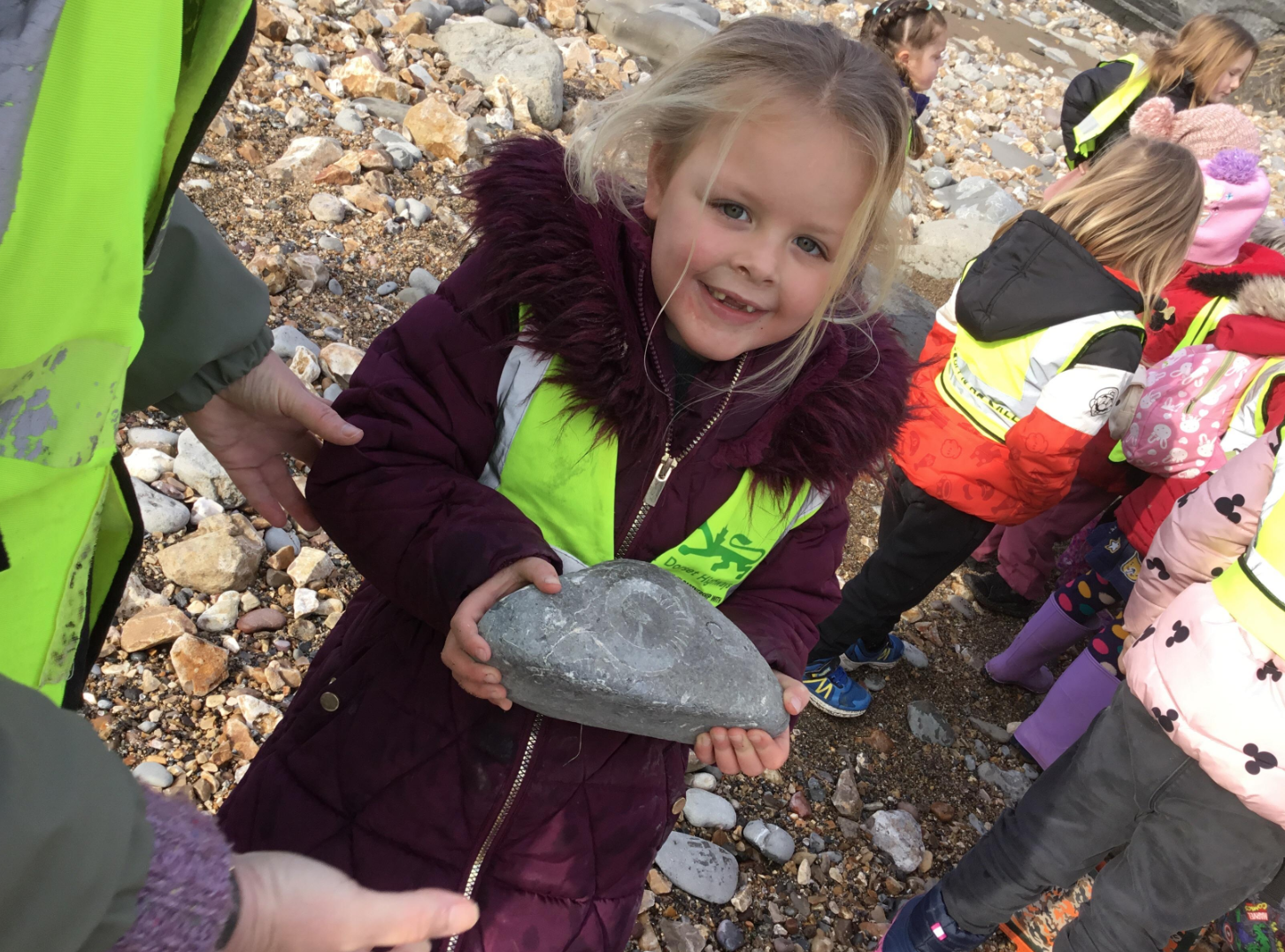
Through sources, artefacts, discussion and enquiry, history becomes a meaningful and engaging subject that helps children see the past as a vital part of understanding the world today.
Understanding Our Place in the World
Learning history helps children develop a sense of identity and belonging. By exploring how people lived in the past, the challenges they faced and the changes they brought about, children begin to see how their own lives connect to a wider human story.
Local history helps children understand the roots of their community, while global history shows how cultures, ideas and events have influenced each other over time. This learning encourages children to reflect on who they are, where they come from and how societies develop and change.
Through this understanding, children recognise that history is not just about the past but about how people, communities and cultures continue to shape the world we live in.
Becoming Responsible Decision Makers
History also helps children understand how people’s choices and actions can influence the future. By studying significant individuals and events, children learn how decisions—both positive and negative—have shaped societies over time.
Children are encouraged to think about fairness, leadership, responsibility and the consequences of actions. Through discussion and enquiry, they learn to consider different perspectives and form their own informed opinions.
This helps children develop the skills to think carefully about their own choices and grow into thoughtful, responsible individuals who understand how their actions can contribute positively to the world around them.
Aims of the History Curriculum
The national curriculum for history aims to ensure that all pupils:
•know and understand the history of Britain as a coherent, chronological narrative, from the earliest times to the present day: how people’s lives have shaped this nation and how Britain has influenced and been influenced by the wider world
•know and understand significant aspects of the history of the wider world: the nature of ancient civilisations; the expansion and dissolution of empires; characteristic features of past non-European societies; achievements and follies of mankind
•gain and deploy a historically grounded understanding of abstract terms such as ‘empire’, ‘civilisation’, ‘parliament’ and ‘peasantry’
•understand historical concepts such as continuity and change, cause and consequence, similarity, difference and significance, and use them to make connections, draw contrasts, analyse trends, frame historically-valid questions and create their own structured accounts, including written narratives and analyses
•understand the methods of historical enquiry, including how evidence is used rigorously to make historical claims, and discern how and why contrasting arguments and interpretations of the past have been constructed
•gain historical perspective by placing their growing knowledge into different contexts, understanding the connections between local, regional, national and international history; between cultural, economic, military, political, religious and social history; and between short- and long-term timescales.